
Currently Empty: $0.00
Mylar bags are flexible, shiny storage bags. They are made from special polyester film. These remarkable packages protect your food, medicine, and valuable items from air, light, and moisture for many years.
You see these reflective bags everywhere today. They hold your coffee beans fresh, helps protect emergency food supplies, and keep cannabis products safe and legal.
Understanding Mylar: More Than Just Shiny Bags
Mylar is a brand name from DuPont. The company created this special polyester film with help from Hoechst decades ago.
Scientists call this material BoPET, which stands for biaxially-oriented polyethylene terephthalate. Workers stretch the PET film in two directions during manufacturing. This stretching process makes the film incredibly strong and protective.
Modern Mylar bags use multiple layers of different materials. The outer layer gives you strength. The middle layer blocks light and air. The inner layer touches your food safely.
We call these multi-layer bags high-barrier packaging bags. Each layer performs a specific job. Together, they create protection that regular plastic bags cannot match.
The construction typically includes three layers. The outer layer uses scratch-resistant BoPET film. The middle section contains an aluminum foil layer or metalized coating. The inner layer uses LLDPE (Linear low-density polyethylene) or other food-grade PE/PET materials.
This three-layer construction creates powerful barrier bags. They stop oxygen, moisture, light, and odors from reaching your stored items.
What Are Mylar Bags Made Out Of?
The magic happens in how manufacturers combine different materials. Each layer adds specific protective qualities that work together perfectly.
- The outer layer protects everything else. Workers use polyester film (BoPET) for this job. This material resists scratches and tears. It gives the bag structural strength.
- The middle barrier does the heavy lifting. Manufacturers apply aluminum coating or foil to this layer. You see this layer as the shiny, reflective surface. It blocks light, oxygen, and moisture completely.
- The inner layer touches your food safely. Companies use food-grade materials like polyethylene or LLDPE inner layer here. This layer must meet Food & Drug Administration (FDA) standards. It also enables the bag to seal when you apply heat.
People measure bag thickness in mils. One mil equals one-thousandth of an inch. Common bags range from 3.5 to 7 mils thick.
Experts recommend 5-7 mil thickness for long-term food storage. These thicker bags resist punctures better. They provide superior barrier protection for your prepping supplies.
All quality bags use food-grade materials. The Food & Drug Administration approves these materials for food contact. You can trust them with everything from perishable goods storage to long-term emergency supplies.
How Do Mylar Bags Work?
These barrier bags protect through four main mechanisms. Each protection type targets a different storage enemy.
They block oxygen completely. The aluminum layer creates oxygen barrier bags that air cannot penetrate. You add oxygen absorbers inside the bag before sealing. Together, they remove up to 99.99% of oxygen from inside.
Bacteria, mold, and yeast need oxygen to grow. These bags starve those organisms. Your food stays fresh for years instead of months.
Vacuum sealable bags only remove about 99.5% of oxygen. That small difference matters for long-term storage.
They shield contents from light. The reflective, metalized surface blocks all UV rays. Sunlight destroys vitamins and causes discoloration. This light protection keeps coffee, herbs, and cannabis products fresh and potent.
They stop moisture completely. The film creates a water-resistant barrier. Humidity cannot reach your stored items. This moisture protection prevents clumping, mold, and spoilage.
Regular plastic bags allow moisture to pass through slowly. Mylar bags stop moisture completely.
They control odors perfectly. The strong barrier makes these bags odor-proof. Strong smells like coffee stay inside. External odors cannot contaminate your stored goods.
Why Use Mylar Bags?
These packaging bags outperform glass jars, plastic buckets, and single use plastics. The advantages become clear when you compare them directly.
Superior Preservation Capabilities
Regular yogurt lids or roasting bags cannot compete with Mylar. These barrier bags create an airtight seal that extends shelf life dramatically.
You combine them with oxygen absorbers for best results. Dry goods remain fresh for 5 to 25 years this way. Zip-lock plastic bags might give you months. Mylar gives you decades.
Versatility and Convenience
Manufacturers make these bags in many sizes and styles. You can buy one-gallon bags for small amounts. You can choose five-gallon bags for bulk storage.
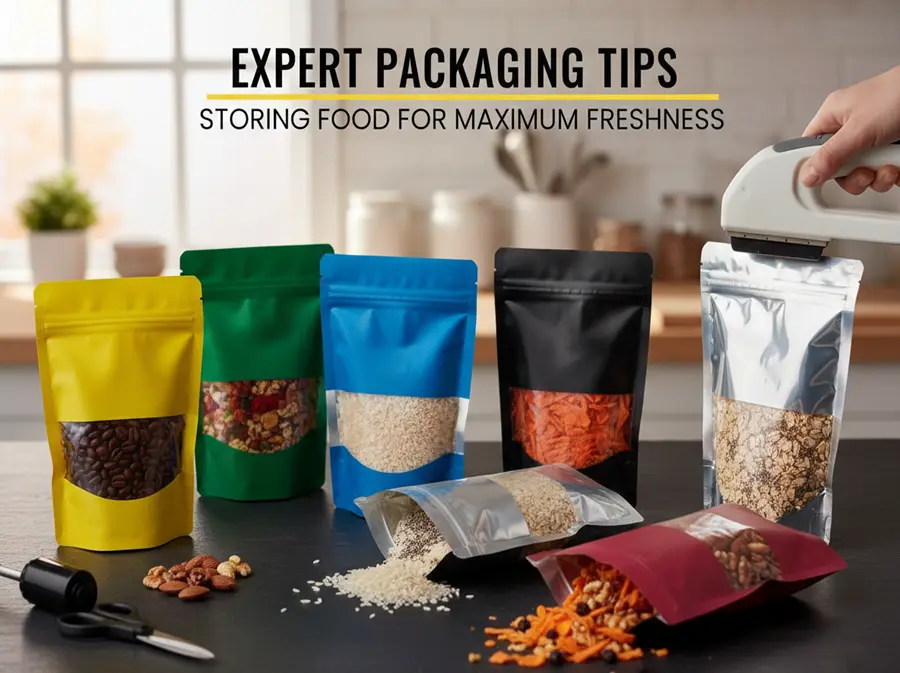
They come as stand-up pouches, gusseted bags, and ziplock mylar bags. The lightweight design beats glass jars and food-grade buckets easily. You save money on shipping. You can pack them in emergency kits or gardening supplies without adding much weight.
Durability and Protection
The material resists punctures and tears remarkably well. It protects against physical damage and pests. Glass jars shatter when dropped. Brittle plastic containers crack in cold weather. These flexible bags bend without breaking.
Food Safety and Quality
Companies make these bags from food-grade, FDA-compliant materials. They contain no BPA. You can safely store rice, beans, pasta, flour, or dehydrated foods directly inside.
The packaging will not contaminate your supplies. You trust your family’s health to these bags.
Space Efficiency
These flexible bags conform to any storage space. You can place them in storage buckets easily. They stack on shelves efficiently. They fit in emergency preparedness kits without wasting space.
Rigid containers create gaps and unused space. Flexible bags maximize every cubic inch.
What Are Mylar Bags Used For?
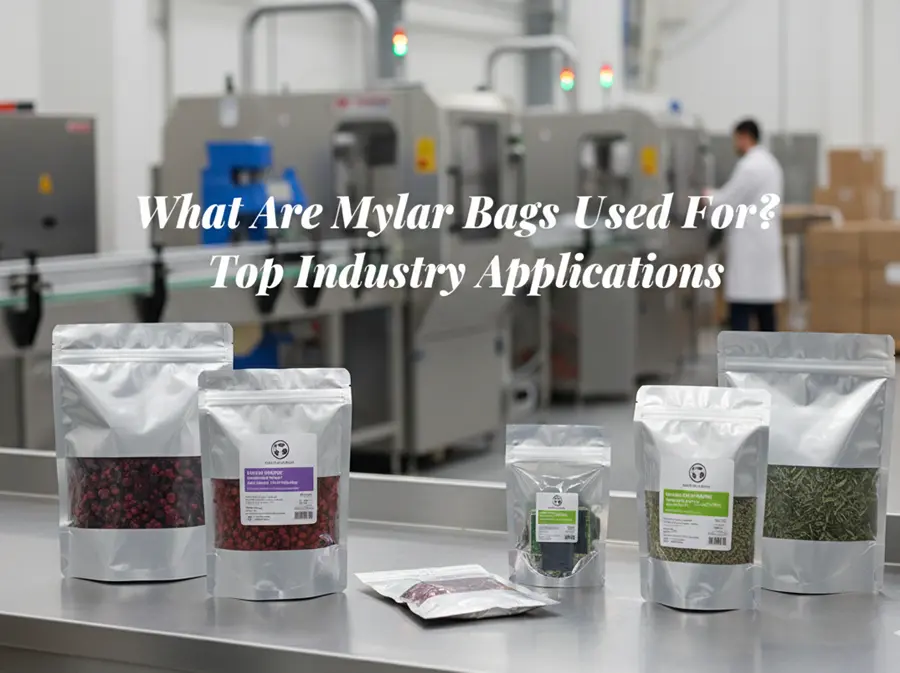
People and industries use these barrier bags for countless purposes. The applications span from homes to hospitals to high-tech facilities.
Long-Term Food Storage
Home canners love these bags. Preppers depend on them. Bulk food buyers save money with them.
They preserve grains like rice, wheat, and oats perfectly. They protect legumes including beans, lentils, and peas. They keep pasta and noodles fresh for years.
Bakers store flour and baking supplies in them. Coffee lovers use specialized coffee foil pouches for beans. Gardeners preserve dehydrated fruits and vegetables. Campers pack freeze-dried meals in them.
Spices and herbs maintain potency when sealed properly. These applications make them the most popular choice for food preservation today.
Emergency Food Storage and Prepping
These bags form the backbone of disaster preparedness. Emergency food kits rely on them completely. Their long shelf life protects your investment for years.
They resist environmental factors that destroy other packaging. Your emergency supplies remain ready when disaster strikes. Marathon runners carry portable nutrition in these pouches. Outdoor enthusiasts trust them for backcountry trips.
Cannabis and CBD Products
The cannabis industry depends on child-resistant, odor-proof packaging. Child proof mylar bags with zipper closures meet legal requirements. They provide tamper-proof storage. They maintain freshness.
Regulatory compliance in legal US markets requires specific packaging. These bags meet those standards perfectly.
Pharmaceuticals and Supplements
Medications require protection from moisture, light, and oxygen. The airtight seal preserves potency. The barrier properties extend shelf life significantly.
Wellness products maintain effectiveness when stored properly. Pharmaceutical companies trust these bags for sensitive compounds.
Document and Artifact Preservation
The Library of Congress uses Mylar film for important documents. Archivists protect photographs and records with this material. It shields against moisture, acids, and environmental degradation.
This application proves the material’s long-term preservation capabilities. Historical documents survive for generations when protected properly.
Electronics Protection
Anti-static versions protect sensitive electronic components. Electrostatic discharge destroys delicate circuits. These special bags prevent that damage during shipping and storage.
Manufacturers can apply tags and labels easily for organization.
Specialty Applications
Party stores sell shiny helium balloons made from this material. Emergency responders give marathon runners space blankets in this film. The unique properties make it valuable across countless industries.
What Can Be Stored in Mylar Bags?
You must understand what works and what doesn’t. Proper storage requires matching contents to the bag’s capabilities.
Ideal Contents (Dry, Low-Moisture Items)
- Grains and cereals work perfectly. You can store rice, wheat, oats, quinoa, and cornmeal safely.
- Legumes store for decades. All varieties of dried beans, lentils, and split peas thrive in these bags.
- Pasta keeps indefinitely. Any dried pasta or noodles remain perfect for years.
- Baking supplies last forever. Flour, sugar, salt, and baking powder maintain quality.
- Dehydrated foods stay fresh. Fruits, vegetables, herbs, and spices preserve beautifully.
- Coffee and tea maintain flavor. Whole beans, ground coffee, and tea leaves stay aromatic. Coffee foil pouches work especially well.
- Nuts and seeds store well. You must use oxygen absorbers properly with these items.
- Powdered products remain usable. Milk powder, protein powder, and meal replacements stay dry and fresh.
- Items Requiring Caution
- High-fat foods present challenges. Oils in nuts, chocolate, or fatty foods eventually oxidize. They can still go rancid despite oxygen removal. These items have shorter storage times.
- High-moisture foods need special handling. Fresh fruits and vegetables will grow mold. Anything with moisture content above 10% risks spoilage. You must freeze-dry these items professionally first.
- Sharp or pointed items can cause problems. They might puncture the film. You should inspect for pinholes inspection after filling such items.
- What Cannot Be Stored
- Liquids don’t work. Manufacturers design these bags for dry goods only.
- Fresh produce requires refrigeration. It will spoil quickly in sealed bags.
- Soft cheeses contain too much moisture. They make unsuitable candidates for this storage method.
- Some seeds need air circulation. Certain seeds require breathing. They cannot survive in oxygen-free environments.
Mylar Bags vs. Other Storage Options
You need comparison data to make informed decisions. This table shows how these barrier bags stack against alternatives.
| Feature | Mylar Bags with Oxygen Absorbers | Vacuum Sealer Bags | Glass Jars | Food-Grade Buckets |
| Oxygen Removal | Excellent (99.99%) | Good (99.5%) | Moderate | Poor (unless sealed) |
| Light Protection | Complete (opaque) | None (transparent) | None (transparent) | Good (opaque) |
| Moisture Barrier | Excellent | Good | Good (if sealed) | Moderate |
| Durability | High, puncture-resistant | Moderate | Fragile (breakable) | Very high |
| Weight | Lightweight | Lightweight | Heavy | Heavy |
| Portability | Excellent (flexible) | Good (flexible) | Poor (breakable) | Poor (bulky) |
| Cost per Unit | Low to moderate | Moderate | Moderate to high | High |
| Shelf Life Extension | 5-25+ years | Months to 2 years | Long-term (if sealed) | Depends on inner liner |
| Reusability | Limited (heat sealed) | Yes (vacuum sealer) | Highly reusable | Highly reusable |
Many preppers use both methods together. They place sealed Mylar bags inside food-grade buckets. This combination provides maximum protection against rodents and physical damage.
How to Use Mylar Bags: Step-by-Step Guide
Proper technique ensures maximum shelf life and food preservation. You follow these steps for best results.
Supplies You’ll Need
You gather these items before starting:
- Mylar bags in appropriate sizes (one-gallon, five-gallon, etc.) and thickness (5-7 mil recommended)
- Oxygen absorbers sized correctly for your bag capacity
- Heat source like a household iron or impulse heat sealer
- Storage buckets for optional added protection
- Labels for dating and identifying contents
The Process
Step 1: You prepare your workspace. You need a clean, dry surface. You work in a low-humidity environment.
Step 2: You inspect your bags. You check for pinholes inspection or defects. You discard damaged bags.
Step 3: You fill the bag. You pour dry goods into the bag carefully. You leave 3-4 inches of space at the top for sealing. You avoid overfilling completely.
Step 4: You add oxygen absorbers. You place the appropriate size absorber on top of the contents. You work quickly. The absorbers activate immediately upon opening their package.
Step 5: You remove excess air. You gently press out air from the bag. You don’t obsess over this step. The oxygen absorbers will remove residual oxygen. You can close the zipper temporarily on resealable ziplock mylar bags.
Step 6: You create the airtight seal. You use your iron set on medium-high without steam. You slowly seal across the top of the bag. You can also use an impulse sealer. You aim for a smooth, continuous seal. You test by gently pulling. The seal should show no gaps.
Step 7: You verify the seal. You wait 24 hours. Heat sealable bags with oxygen absorbers should compress. They create a vacuum-like effect as oxygen disappears.
Step 8: You label and date everything. You mark the contents clearly. You write the packaging date. You note the quantity. Labels stick better before the bag compresses.
Step 9: You add secondary protection. You place sealed bags in storage buckets or bins. You choose a cool, dark location for maximum longevity.
Storage Tips
Temperature matters greatly. You store in a cool environment. The ideal range is 50-70°F. Each 10°F increase cuts shelf life in half.
Location affects longevity. You keep bags away from direct sunlight. You avoid heat sources. You prevent exposure to high humidity areas.
Protection extends life. You use buckets or bins to protect against rodents. You shield bags from physical damage.
Organization saves time. You group similar items together. You maintain an inventory for emergency situations.
Types and Varieties of Mylar Bags
Manufacturers offer many options. You choose based on your specific needs.
By Closure Type
- Heat seal only bags cost the least. They create a permanent seal. They work best for long-term storage.
- Ziplock mylar bags feature a zipper closure. You can reuse them. They work well for frequently used items.
- Stand-up pouches have a gusseted bottom. They stand upright on shelves. Retail products often use this style.
- Resealable options combine heat seal with ziplock. They offer maximum flexibility.
By Special Features
- Child-resistant bags use special closures. Child proof mylar bags meet legal requirements for cannabis products.
- Anti-static bags protect electronics. They prevent electrostatic discharge damage.
- Tamper-proof designs include tear notches or special seals. They show if someone opened the package.
- Transparent windows allow viewing contents. They maintain barrier properties despite the window.
- Custom printed bags display logos or designs. Commercial products use these for branding.
By Size
Small pouches work perfectly for coffee foil pouches or samples. Large five-gallon bags hold 30-35 pounds of grain. You find a size for every application.
Food Safety and Compliance Considerations
Safety should guide every storage decision. You must follow proper procedures consistently.
FDA compliance matters. You ensure bags use food-grade materials. The Food & Drug Administration approves these materials. You look for explicit “food-safe storage” or “food-grade” labeling.
BPA-free construction protects health. Quality food storage bags contain no BPA. They avoid other harmful chemicals completely.
Proper sealing prevents failure. An incomplete seal compromises everything. You always verify your airtight seal carefully.
Suitable contents ensure success. You only store appropriate dry goods. Moisture content must stay below 10%. Fat content should remain below 10% for maximum shelf life.
Oxygen absorbers create safety. They create an oxygen-free environment inside. You must size them properly. Too few won’t remove all oxygen. Excess won’t harm but wastes resources.
Botulism prevention requires attention. Oxygen absorbers prevent most bacterial growth. However, improperly dried or high-moisture foods can still support botulism. You never store moist or improperly prepared foods.
Industries and Applications Beyond Food
Food preservation dominates consumer use. However, Mylar’s barrier properties serve many other sectors.
Medical and pharmaceutical companies protect sensitive products from degradation. Medications maintain potency longer.
Agriculture and gardening businesses use them for seed storage. Gardening supply packaging relies on these bags.
Emergency services distribute thermal blankets to runners and hikers. First responders carry them in kits.
Industrial facilities package electronics, chemicals, and specialty products. These items need environmental protection.
Retail stores sell attractive, protective pouches. Coffee, tea, supplements, and consumer products look professional in them.
Archival institutions preserve important materials. Museums and the Library of Congress protect documents with Mylar film.
Environmental Considerations
Consumers care about single use plastics and environmental impact. You should consider Mylar bags in this context.
These are not single-use items. Regular disposable plastic bags serve one purpose. These bags provide multi-year service.
Material efficiency reduces emissions. Their light weight reduces shipping emissions. They beat glass or rigid plastic containers in transportation efficiency.
Longevity reduces food waste. They dramatically extend food shelf life. Food waste represents a major environmental concern. These bags help solve that problem.
Recycling challenges exist. The multi-layer construction makes recycling difficult. Current technology cannot separate the layers easily. You should know this limitation.
You should view these as long-term investment packaging. They are not disposable products.
Common Questions and Troubleshooting
Why Didn’t My Bag Compress?
You might have used insufficient oxygen absorbers. The seal might be incomplete. A small pinhole could exist. You check the seal integrity. You inspect for pinholes inspection carefully.
Can I Reuse Mylar Bags?
Heat-sealed bags resist reuse. However, ziplock mylar bags or resealable options work multiple times. You carefully clean and inspect them for damage first.
How Long Do Sealed Bags Really Last?
Properly sealed bags with appropriate contents last 5-25+ years. Storage conditions matter. Food type affects longevity. Cool, dark, dry storage maximizes lifespan.
Do I Need Buckets Too?
Buckets are not absolutely necessary. However, placing bags in storage buckets or food-grade buckets helps. They provide additional protection against rodents, punctures, and moisture. Basement or garage storage especially benefits from this approach.
What’s Better Mylar Or Vacuum Sealing?
Mylar with oxygen absorbers wins for long-term storage. Multiple years of storage require this method. Vacuum sealable bags work better for short-term storage. Frequent access makes them more convenient.
Conclusion: Are Mylar Bags Right for You?
You might be building emergency preparedness supplies. You might buy in bulk to save money. You might be starting a prepping journey. You might simply want better ways to preserve coffee, herbs, or pantry staples.
Mylar bags offer unmatched protection and versatility. They combine oxygen barrier properties, light protection, moisture resistance, and durability. This combination makes them the premium choice for food preservation.
They require a small initial investment. You need bags, oxygen absorbers, and a sealing method. However, the extended shelf life and protection they provide far outweigh the costs.
Anyone serious about long-term food storage needs these bags. Emergency preparedness demands them. Maximizing the lifespan of dry goods requires them. These high-barrier packaging solutions represent the best option available.
They protect documents for the Library of Congress. They keep coffee fresh in specialized pouches. They enable safe cannabis packaging. The applications continue to expand as more people discover their remarkable capabilities.
You should start with a small batch. You practice your sealing technique first. You will experience firsthand why Mylar bags have become the gold standard. They dominate preservation technology across industries from food to pharmaceuticals. Their success spans from the US to worldwide applications.